
Staying Home During Water Damage Restoration
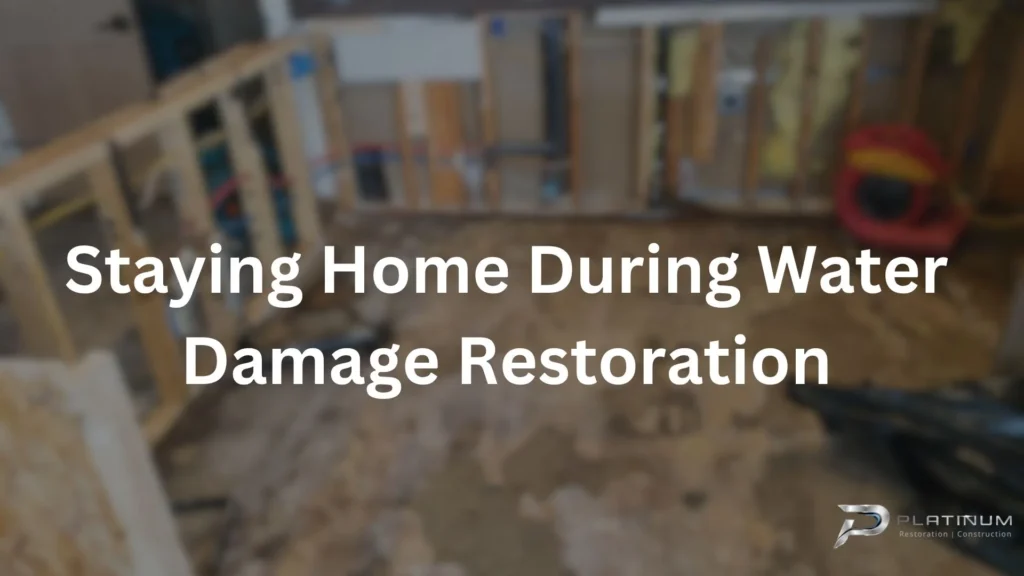
Water damage happens, and life doesn’t stop while it’s being fixed. One of the first questions homeowners ask is whether they actually need to pack up and leave, or whether they can stay put while the restoration work happens around them. The honest answer is: it depends, but there are clear factors that make the decision for you. At Platinum Service Group, our technicians hold IICRC certification in Water Damage Remediation and Applied Structural Drying, training that specifically covers assessing safety conditions during active restoration work. Across Decatur, Bridgeport, Alvord, Boyd, and the rest of Wise County, this is one of the most common questions we field on nearly every water damage call. Here’s how to think through it. Factors That Determine Whether You Can Stay 1. The Type Of Water Involved Not all water damage carries the same risk, and the water category matters significantly. Water Category Description Staying Home Category 1, clean water From a clean source like a supply line Often safe to stay Category 2, gray water Contains some contamination, like washing machine overflow Depends on extent and location Category 3, black water Contaminated, sewage backup or floodwater Not recommended to stay Clean water situations carry far less health risk, while contaminated water introduces bacteria and other hazards that make staying in close proximity genuinely unsafe, regardless of how contained the area seems. 2. The Size Of The Affected Area A single room affected by a small leak is a very different situation than multiple rooms or an entire floor dealing with flooding. Smaller, contained damage generally allows normal use of the rest of the home, while larger-scale damage often disrupts utilities, access, and air quality throughout the house. 3. Whether Utilities Are Functional If water damage has affected electrical systems, plumbing, or your HVAC system, safety becomes a bigger concern than just comfort. Water and electricity are a dangerous combination, and a restoration team should confirm electrical safety before anyone, including restoration crews, works in or near an affected area. 4. Air Quality And Equipment Noise During active drying, industrial air movers and dehumidifiers run continuously, often for several days. This creates ongoing noise and some airflow disruption throughout connected spaces. It’s not unsafe, but it’s a real quality of life factor worth considering, especially for households with young children, elderly family members, or anyone sensitive to noise. 5. Mold Risk If water damage has been sitting for more than 24 to 48 hours before mitigation begins, mold risk increases substantially. Active mold growth during the remediation process introduces respiratory concerns that make staying home less advisable until that specific risk is addressed. When It’s Generally Safe To Stay When Temporary Relocation Is The Safer Choice What Staying Home During Restoration Actually Looks Like If staying is the right call for your situation, here’s generally what to expect: A good restoration company should walk you through exactly what parts of your home remain accessible and what precautions to take, rather than leaving you to guess. How Daily Routines Shift Depending on What Stays Accessible Even when staying home is the safer choice, it helps to know in advance which everyday routines are likely to be affected, since that varies quite a bit based on which part of the home was damaged. Affected Area Likely Disruption Workarounds Worth Planning For Kitchen Limited or no cooking access during drying Meal planning around takeout or a temporary setup elsewhere in the home Primary bathroom Access to a second bathroom becomes essential Confirm a working alternate bathroom before committing to stay Bedroom Sleeping arrangements may shift temporarily A guest room or living room setup for a few nights Living/common areas Equipment noise and containment barriers Noise-canceling headphones, adjusted schedules for quiet work or rest Laundry room Washer/dryer access interrupted A laundromat or a neighbor’s machine for the duration Mapping out which of these applies to your specific situation before deciding to stay gives you a much more realistic sense of what the next several days will actually feel like, rather than discovering the inconvenience as it happens. Why This Matters More After North Texas Storms Storm-related flooding in Wise County often involves larger volumes of water than a typical household leak, and sometimes introduces contaminated water, particularly with flash flooding that can carry debris and runoff into a home. This shifts more storm-related cases toward the temporary relocation side of the equation, especially when flooding affects multiple rooms or the water category can’t be immediately confirmed as clean. Additionally, the region’s humidity can slow drying times during active mitigation, meaning equipment may need to run longer than it would in a drier climate, a detail worth factoring into how long any disruption from staying home might realistically last. A Case Study: Staying Put Versus Stepping Out A family in the area dealt with a water heater failure that flooded a section of their utility room and an adjacent hallway. Because the water was clean and the affected area was relatively contained, our assessment confirmed it was safe for the family to remain in the home throughout the mitigation and restoration process. Drying equipment ran in that section for about three days, and the family simply kept that part of the house closed off, with minimal disruption to their daily routine otherwise. A different situation played out for another homeowner after significant storm flooding brought several inches of water through their living room and kitchen, involving water that had picked up debris and runoff on its way into the home. Given the contaminated water category and the extent of the affected area, including their only functional kitchen, we recommended temporary relocation for about a week while mitigation, drying, and the early stages of restoration took place. Once the area was confirmed dry and safe, the family returned while final restoration details, flooring and some drywall finishing, were completed around them. The difference between these two outcomes wasn’t about the severity of the inconvenience; it came down to water category,
Difference Between Water Mitigation And Water Restoration?
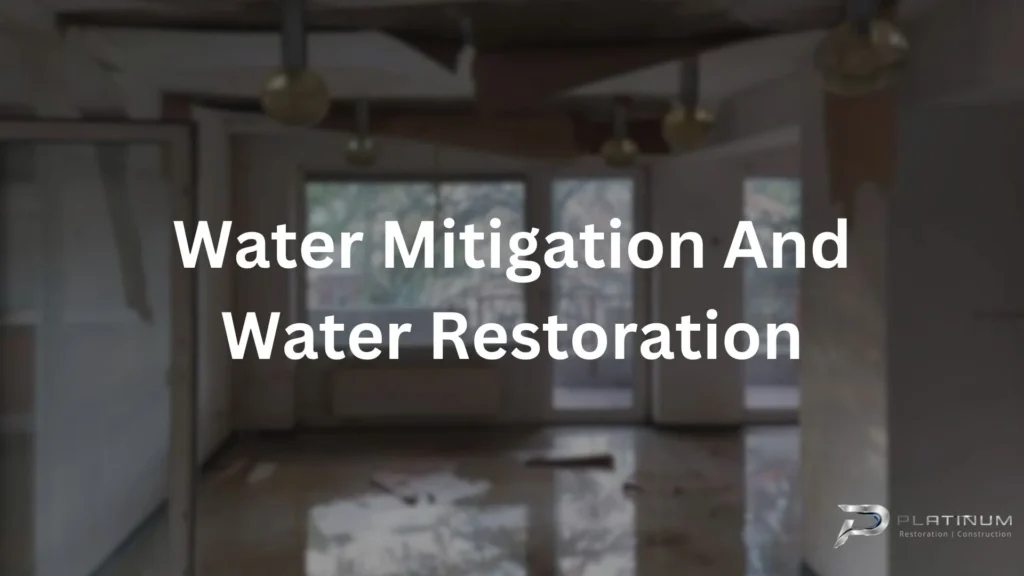
If you’ve ever dealt with water damage, you’ve probably heard both terms thrown around almost interchangeably: mitigation and restoration. They sound similar, they often happen back to back, and plenty of homeowners assume they’re just two words for the same thing. They’re not. Understanding the difference actually matters, especially when you’re trying to figure out what’s happening in your home, what you’re paying for, and what comes next. At Platinum Service Group, we hold IICRC certification in Water Damage Remediation and Applied Structural Drying, which specifically trains technicians to understand and properly execute these two distinct phases. Across Decatur, Bridgeport, Alvord, Boyd, and the rest of Wise County, we walk homeowners through this distinction regularly, because knowing what’s actually happening at each stage helps set the right expectations. What Is Water Mitigation? Water mitigation refers to the immediate, time-sensitive actions taken right after water damage occurs to limit how much damage actually happens. The goal isn’t to fix anything yet, it’s to stop the situation from getting worse while the full scope is still being assessed. Mitigation typically includes: Mitigation is almost always the first call made after water damage happens, often within hours, because the timeline matters significantly. The longer water sits, the more materials absorb it, and the higher the risk of secondary issues like mold growth, which can begin within 24 to 48 hours of sustained moisture exposure. What Is Water Restoration? Water restoration picks up where mitigation leaves off. Once the immediate water threat has been addressed and the area has been properly dried, restoration focuses on repairing and rebuilding whatever was damaged in the process. Restoration typically includes: Where mitigation is urgent and happens within the first hours or days, restoration is a longer, more deliberate process that can take anywhere from several days to several weeks, depending on the extent of the damage. Side By Side Comparison: Mitigation Vs Restoration Factor Water Mitigation Water Restoration Primary goal Stop further damage Repair and rebuild Timing Immediate, often within hours Begins after mitigation is complete Typical duration 1 to 5 days Several days to several weeks Focus Water removal, drying, damage control Reconstruction, repairs, finishing Example tasks Water extraction, dehumidification Drywall replacement, painting, flooring Urgency level High, time-sensitive Scheduled, planning-based Why The Two Phases Can’t Be Skipped Or Reversed It might be tempting to think of restoration as the “real” fix and mitigation as just a preliminary step, but skipping or rushing mitigation almost always leads to a bigger restoration job later. If materials aren’t properly dried before rebuilding begins, moisture gets trapped behind new drywall or under new flooring, setting up conditions for mold growth and repeat damage down the line. This is exactly why mitigation includes thorough drying and moisture verification before restoration work starts. Rebuilding over a space that isn’t genuinely dry doesn’t save time, it just delays the real problem and often makes it worse once it resurfaces. How Mitigation And Restoration Connect In A Real Project Here’s what the full sequence typically looks like on an actual water damage project: In many cases, especially with a company that handles both phases, this transition happens smoothly as one continuous project. Some companies specialize only in mitigation and hand off restoration work to a separate contractor, which can work fine but sometimes introduces communication gaps between the two phases. Why Certification Matters For Both Phases Mitigation and restoration each require different technical knowledge. Mitigation relies heavily on understanding drying science, how moisture moves through materials, how to use equipment like air movers and dehumidifiers effectively, and how to confirm an area is genuinely dry rather than just dry to the touch. Restoration requires construction and finishing skills to properly rebuild affected areas to a safe, quality standard. This is part of why IICRC certification in Applied Structural Drying specifically exists as its own credential separate from general restoration work. It reflects the specialized knowledge needed to execute the mitigation phase correctly, since getting that part wrong undermines everything that comes after it. A technician trained specifically in applied structural drying understands things that aren’t obvious from the outside: how different building materials absorb and release moisture at different rates, how airflow needs to be directed differently depending on the layout of a room, and how to interpret moisture meter readings that might otherwise look ambiguous. This specialized knowledge is part of why mitigation done by a properly trained team tends to finish faster and more reliably than a generalized cleanup effort, even when both appear to use similar equipment. Does Insurance Treat Mitigation And Restoration Differently? Often, yes. Many insurance policies cover emergency mitigation work more readily since it’s considered necessary to prevent further loss, sometimes even before a claim is fully processed. Restoration costs are usually evaluated separately, based on the documented extent of damage once mitigation is complete and the full scope is known. This is one more reason the distinction matters practically, not just technically. Understanding which phase you’re in can help you communicate more clearly with your insurance adjuster and understand what’s being covered and when. Keeping thorough documentation throughout both phases, photos, moisture readings, and a clear timeline, supports a smoother claims process regardless of how your specific policy separates the two. How Pricing Typically Differs Between the Two Phases Because mitigation and restoration involve fundamentally different types of work, they’re usually priced differently as well, and understanding that distinction can help you make sense of an estimate or invoice. Pricing Factor Mitigation Restoration Based primarily on Equipment runtime, labor hours, size of affected area Materials, finish quality, scope of repairs Estimate timing Often provided quickly, sometimes during the emergency call Typically provided after mitigation confirms the full extent of damage Common billing structure Daily equipment rates plus labor Line-item or per-project quote based on materials and labor Insurance interaction Frequently pre-approved given urgency Usually requires a more detailed scope approval Because mitigation pricing is driven largely by how long equipment needs to run and how much
Decatur, TX Water Damage Restoration Guide
Decatur runs on Lake Bridgeport water while most of Wise County is on wells. Here is how that changes water damage, and what to do about it.
What Areas Should You Check for Mold After Purchasing a New Home?
Bought a new home? Here’s where mold most often hides that inspections can miss. Get a free inspection and quote today.
Mold In Winter Months: Causes & Prevention Tips
Think mold is just a summer problem? Learn why it happens in winter too, and how to prevent it. Free inspection, 24/7 response available.
Mold From Clothes: Causes, Risks & Prevention Tips
From damp closets to unfinished laundry, learn what causes mold on clothing and how to prevent it long-term. Free inspection available.
Mold Remediation Tips From Restoration Professionals
Learn practical tips for handling mold remediation the right way, from prep to avoiding common mistakes. Get a free quote today.
How To Stop Mold After Flooding: Full Action Plan
Learn exactly what to do in the first 24-48 hours after flooding to stop mold before it starts. 24/7 emergency response available.
How To Prevent Attic Mold
From ventilation to roof checks, here’s how to prevent attic mold long-term. Free inspection available, 24/7 emergency response.
How To Get Rid Of Mold In Bathroom Ceiling
Dealing with mold on your bathroom ceiling? See safe cleaning steps, warning signs it’s more serious, and prevention tips. Free quote today.