
What to Do While Waiting for a Restoration Crew
The time between calling for help and the crew arriving can feel long. Water keeps spreading, smoke odor settles in, and storm damage lets more weather inside. The good news is that a few safe actions during that window can limit the damage and make the crew’s job easier. At Platinum Service Group, our restoration team answers emergency calls across Decatur, Bridgeport, Alvord, Boyd, and Wise County, and we often talk homeowners through these steps by phone. Here’s what to do, and just as important, what to avoid. Water Damage Restoration What to Do While Waiting for a Restoration Crew Our North Texas water damage team can inspect, dry, and restore your home, and walk you through exactly what your situation needs. 📞 Call (888) 436-2706 Licensed & Insured · Free Estimates Safety Comes First Before anything else, make sure everyone is safe. No belongings are worth a personal injury. If you smell gas, see sparks, or suspect structural danger, leave and call emergency services. Our guide on staying safe during a flood emergency covers these hazards in more detail. If You Have Water Damage Water damage gets worse by the hour, so small actions matter. For a fuller walkthrough, see our list of essential steps after water damage. Do: Don’t: Surface dryness can be misleading, which is one of the risks of DIY water damage cleanup. If You Have Fire Or Smoke Damage Fire damage involves soot, smoke odor, and often water from firefighting. Do: Don’t: Once the crew arrives, our guide on restoring your home safely after a fire explains what comes next, and our list of what to throw away after smoke damage helps you sort belongings. If You Have Storm Damage Storms often combine water, wind, and debris. Do: Don’t: Our storm damage recovery plan outlines the longer path after the immediate emergency. Need a water damage crew on the way?Get a free, no-obligation water damage estimate from our team. 📞 Call Now Quick Reference: Do And Don’t By Damage Type Damage Type Best First Actions Biggest Thing To Avoid Water Stop the source, remove small items, protect furniture Using a regular vacuum or entering live electrical areas Fire and smoke Wait for clearance, limit movement, keep hands clean Wiping soot off surfaces Storm Cover openings, move items, document damage Climbing on a damaged roof Document Everything Documentation helps your claim and helps the crew understand what happened. While you wait: Take photos before moving things whenever it’s safe, so the original conditions are recorded. Our restoration documentation tips explain what records are worth keeping. Protect Your Belongings You can save more items by acting quickly: Avoid trying to dry electronics with heat or turning them on while they are wet or smoky. Gather Information For The Crew Having details ready helps the crew prepare before they arrive: Information Why It Helps Source and cause of the damage Helps plan the right response When it happened Affects mold and drying risk Areas affected Helps estimate equipment and time Utilities status Shows whether power or water was shut off Insurance provider and policy number Speeds up claim coordination Access details like gate codes and pets Prevents delays on arrival What To Avoid Doing Some well meaning actions make things worse: Call Your Insurance Company While you wait, it’s a good time to report the loss to your insurer. Ask about the claim process, deadlines, and what documentation they need. Coverage varies by policy, so confirm the details directly with your insurance provider. Our guide on how to file a water damage insurance claim walks through the process. North Texas Considerations Wise County storm season can bring sudden, widespread damage, so response times may stretch when many homes are affected at once. Because humidity here slows natural drying, the waiting period matters even more, which is why acting fast after water damage is so important. In Decatur, Bridgeport, Alvord, and Boyd, covering roof openings, moving belongings away from leaks, and keeping the home closed when outdoor air is humid can reduce moisture while help is on the way. Heavy storms can also bring debris, downed lines, and unsafe roofs, so avoiding hazardous areas is especially important. A Quick Checklist While You Wait Frequently Asked Questions Free, No-Obligation Estimate Ready to Fix Your Water Damage? Talk to our water damage restoration team today, or request a free estimate and we’ll get back to you quickly. 📞 Call (888) 436-2706 Get a Free Estimate Licensed & Insured · Serving North Texas Final Thoughts The wait for a restoration crew doesn’t have to be wasted time. Staying safe, stopping the source when possible, protecting belongings, and documenting the damage all help limit the loss and speed up recovery. Equally important is avoiding the common shortcuts that make damage worse. If you’re still deciding who to call, our guide on how to choose a water damage restoration company can help.
When Should You Call a Restoration Company and Your Insurance?

When water, fire, or storm damage hits your home, the next hour feels urgent and confusing. Who do you call first? Should you wait for your insurance adjuster before touching anything? Can you start cleanup without losing coverage? At Platinum Service Group, our team holds IICRC certification in Water Damage Remediation and Applied Structural Drying, along with ACAC certification in Mold Remediation. Across Decatur, Bridgeport, Alvord, Boyd, and the rest of Wise County, our restoration team walks homeowners through this exact question every week. Here’s the order that usually protects both your home and your claim. Water Damage Restoration When Should You Call a Restoration Company and Your Insurance? Our North Texas water damage team can inspect, dry, and restore your home, and walk you through exactly what your situation needs. 📞 Call (888) 436-2706 Licensed & Insured · Free Estimates Why Restoration Usually Comes First Damage keeps getting worse while you wait. Water soaks deeper into materials, mold can begin within 24 to 48 hours, and smoke residue sets into surfaces. Most insurance policies expect homeowners to take reasonable steps to prevent further damage, and emergency mitigation is exactly that. Our guide on why homeowners must act fast after water damage explains how quickly the situation changes. Reason What It Means For You Damage spreads quickly Waiting increases repair costs Mold starts early Delay can turn water damage into a mold problem Policies expect prevention Reasonable emergency steps are usually expected Documentation starts early A restoration team records conditions as they find them Waiting days for an adjuster before starting any mitigation can make the damage worse, and that can complicate a claim. The Right Order: Step By Step For a fuller walkthrough of the first hours, see our list of 7 essential steps after water damage. When To Call Your Restoration Company Immediately Call right away if you see any of these: When To Call Your Insurance Company Contact your insurer as soon as it’s safe to do so, ideally the same day. Report the loss promptly if: Many policies require timely notice, so waiting too long can create problems even when the damage is covered. Our guide on how to file a water damage insurance claim covers the process in more detail. What To Document Before Cleanup Good documentation protects your claim. Before anything is moved or thrown away: A restoration team can help by recording moisture readings, affected areas, and the work performed. Our restoration documentation tips explain what records are worth keeping. What A Restoration Company Does Versus What Insurance Does Role Restoration Company Insurance Company Main job Stop damage, dry, clean, repair Evaluate coverage and process the claim Timing Responds immediately Reviews and decides over days or weeks Focus The physical property The financial side of the loss Provides Emergency work, documentation, repairs Claim decision and payment Understanding this split helps you avoid waiting on one while needing the other. Not sure who to call first after water damage?Get a free, no-obligation water damage estimate from our team. 📞 Call Now Common Mistakes With Timing What To Know About Insurance Coverage Coverage differs widely. Some general points that often apply: Situation Often Covered? Note Sudden burst pipe Often yes Depends on your policy Storm damage Often yes Wind and hail rules vary Fire damage Often yes Typically covered Flood from rising water Often no Usually needs separate flood insurance Long term leak or neglect Often no Maintenance issues are commonly excluded Sewer backup Varies May require an added endorsement This is general information only, not a coverage guarantee. Review your policy or ask your insurer directly. Our overviews of homeowners insurance and property damage and how water damage claims work explain typical coverage patterns. North Texas Considerations Wise County storm season brings sudden damage, and when many homes are affected at once, restoration crews and insurance adjusters can both be stretched thin. That makes it even more important to call a restoration company quickly so mitigation begins before humidity and delays allow mold to take hold. Homeowners in Decatur, Bridgeport, Alvord, and Boyd also benefit from reporting claims early, since storm related claims can pile up and adjusters may take longer to arrive. Starting mitigation and documentation while you wait protects your home in the meantime. A Case Study: Calling In The Right Order A homeowner in the area discovered a ceiling leak after a storm, with water dripping into a bedroom and soaking part of the carpet. Their first instinct was to wait until their insurance adjuster could visit before touching anything, which they were told might take several days. Instead, they called us first. We arrived within hours, photographed the damage, took moisture readings, removed the saturated carpet padding, and set up drying equipment. While that work was underway, the homeowner called their insurance company and reported the loss, sharing our photos and moisture documentation with the adjuster. When the adjuster visited a few days later, the documentation clearly showed the original damage, what had been done to prevent it from spreading, and the readings that confirmed drying progress. The room was dry, no mold had formed, and the claim moved forward without disputes about what the damage looked like at the start. A neighbor with a similar leak waited four days for their adjuster before starting any drying. By then mold had developed in the ceiling and walls, which increased the repair scope and complicated the claim conversation. The takeaway: calling the restoration company first, then insurance, protected both the home and the claim. What To Ask Each Company Ask your restoration company: Ask your insurance company: If you’re still comparing providers, our guide on how to choose a water damage restoration company covers what to look for. Frequently Asked Questions Free, No-Obligation Estimate Ready to Fix Your Water Damage? Talk to our water damage restoration team today, or request a free estimate and we’ll get back to you quickly. 📞 Call (888) 436-2706 Get a Free Estimate Licensed &
How Fans And Dehumidifiers Dry Water Damage
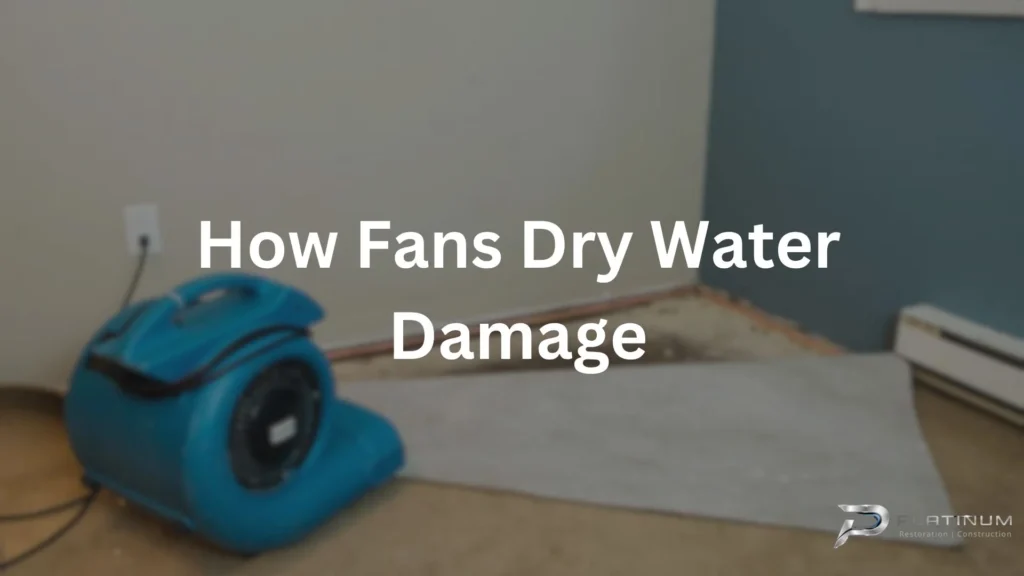
After water damage, the first instinct is often to grab a few fans and a dehumidifier and let them run. It’s a sensible move, and it does help. But whether it’s enough depends on how the equipment works, what it’s drying, and how much water got in. At Platinum Service Group, drying equipment is a daily part of our restoration work across Decatur, Bridgeport, Alvord, Boyd, and the rest of Wise County. Here’s how fans and dehumidifiers actually dry a home, what each one does, and where their limits are. Water Damage Restoration How Fans And Dehumidifiers Dry Water Damage Our North Texas water damage team can inspect, dry, and restore your home, and walk you through exactly what your situation needs. 📞 Call (888) 436-2706 Licensed & Insured · Free Estimates The Short Answer Yes, fans and dehumidifiers can dry a water-damaged home, and they are the core of professional drying too. The difference is scale and control. Small, fresh, surface-level moisture can sometimes be handled with household equipment. Larger or deeper water damage needs more powerful equipment and monitoring to be dried completely. How Drying Actually Works Drying is a two-part process. Water has to leave the materials, and then it has to leave the air. If either step stalls, drying stalls. Fans handle the first part. Dehumidifiers handle the second. Neither works well without the other. What Fans Do Fans move air across wet surfaces, which speeds up evaporation. Without airflow, a thin layer of humid air forms right over a wet surface and slows drying. Moving air breaks that layer up and carries moisture away. Fans are useful for: What fans can’t do is remove moisture from the home. They only move it. If the air in the room is already humid, fans just spread that moisture around, and it can settle on other surfaces. What Dehumidifiers Do Dehumidifiers pull moisture out of the air and collect it as water. Once the air is drier, it can absorb more moisture from wet materials, which keeps the drying process moving. Dehumidifiers are useful for: A dehumidifier works best in a closed space. Running one with open windows lets humid outdoor air in and undoes the work. Why Fans And Dehumidifiers Work Best Together Equipment Main Job What It Can’t Do Alone Fans Move air and speed evaporation Remove moisture from the home Dehumidifiers Remove moisture from the air Move air across wet materials Both together Evaporate and remove moisture Reach deep or hidden moisture without added tools Used together, fans pull moisture out of materials and the dehumidifier captures it. This cycle is the foundation of structural drying. Household Equipment Vs Professional Equipment The basic principles are the same, but the capacity is very different. Feature Household Equipment Professional Equipment Air movement Moderate Powerful, directed airflow Moisture removal Limited per day High capacity, built for flooding Placement Often guesswork Calculated for the space Monitoring Rarely measured Moisture readings tracked daily Typical use Small, fresh spills Larger or deeper water damage Professional air movers push air at wet surfaces, including along walls and under floors, and commercial dehumidifiers remove far more moisture per day than a household unit. Just as important, technicians adjust the setup as drying progresses. This is one of the reasons DIY water damage cleanup carries real risks when the damage goes beyond a small spill. Is your water damage drying fast enough?Get a free, no-obligation water damage estimate from our team. 📞 Call Now What Fans And Dehumidifiers Struggle To Reach Even good equipment has limits when moisture sits where air can’t easily reach: In these spots, moisture can stay trapped long after the surface feels dry. Reaching it often means opening small access points, using specialized drying equipment, or removing materials that can’t be dried in place. Knowing the signs of wall water damage helps you spot trouble that equipment alone may have missed. How To Tell If Drying Is Actually Working Drying shouldn’t be judged by touch alone. Better signs include: Without measurements, it’s easy to stop drying too soon. Materials that feel dry can still hold enough moisture to support mold. How Long Does Drying Take? Drying time depends on the amount of water, the materials involved, and the conditions in the home. Situation Typical Drying Time Small, surface-level spill 1 to 2 days Wet carpet and padding, removed promptly 2 to 4 days Water in walls and subfloors 3 to 5 days or more Larger flooding with saturated materials 5 days or more These are general ranges. The only reliable way to know drying is complete is to measure moisture in the materials, not just the air. For the bigger picture, see our guide on how long water damage restoration takes. Drying In North Texas Conditions Wise County’s humidity is a real factor in how well fans and dehumidifiers perform. When the air outside is already damp, as it often is after a storm in Decatur, Bridgeport, Alvord, or Boyd, opening windows to help drying can backfire by bringing in more moisture. Homes here also tend to hold humidity longer after heavy rain, which slows evaporation and makes dehumidification more important than airflow alone. Running equipment in a closed, controlled space gives it the best chance of working. A Case Study: Fans Alone Weren’t Enough A homeowner in the area had a water heater leak overnight that soaked a hallway and part of a bedroom. They did what many people do: removed the standing water and ran several box fans for four days with the windows open. The carpet felt dry and the room looked fine. Two weeks later, a musty smell developed and the baseboards began to bubble. When we measured moisture, the lower section of drywall and the carpet padding were still wet, and the humidity in the room was high. Open windows during a humid stretch had let outside moisture in, and the fans had only moved damp air around. We removed the saturated padding, set
Water Damage Mistakes To Avoid
Water damage is stressful, and when you’re in the middle of it, it’s easy to make decisions that feel sensible but end up costing more later. Most of these mistakes aren’t careless. They come from not knowing how quickly moisture spreads or how long materials really take to dry. At Platinum Service Group, our team holds IICRC certification in Water Damage Remediation, Applied Structural Drying, and Mold Remediation, plus ACAC certification in Mold Remediation. Across Decatur, Bridgeport, Alvord, Boyd, and Wise County, our restoration team sees the same avoidable mistakes again and again. Here they are, grouped by when they tend to happen. Water Damage Restoration Water Damage Mistakes To Avoid Our North Texas water damage team can inspect, dry, and restore your home, and walk you through exactly what your situation needs. 📞 Call (888) 436-2706 Licensed & Insured · Free Estimates Mistakes In The First 24 Hours The first day sets the course for everything that follows. These are the most common missteps. Waiting To See If It Dries On Its Own Many homeowners hope a wet area will dry naturally. Mold can begin growing within 24 to 48 hours, and moisture soaks deep into materials fast. Waiting is rarely free. Our guide on why homeowners must act fast after water damage explains how quickly the situation changes. Ignoring Safety Hazards Water and electricity are a dangerous mix. Entering a flooded area with active power, or touching wet outlets and appliances, puts you at risk. Contaminated water adds another hazard. Not Stopping The Water Source It sounds obvious, but cleanup before the leak is fixed just means more water arriving. Shut off the supply line or address the cause first, if it’s safe to do so. Skipping Photos And Documentation Once cleanup starts, evidence disappears. Photos and video of the damage, taken before anything is moved or thrown out, protect your insurance claim. See our restoration documentation tips for what to record. Using A Household Vacuum Regular vacuums aren’t built for water. They can be damaged and create an electrical hazard. A wet vacuum or professional extraction equipment is the safe choice. First 24 Hours Mistake Better Move Waiting for it to dry Start water removal immediately Entering a live electrical area Confirm power is safe or shut it off Cleaning before fixing the leak Stop the source first Tossing items without photos Document everything first Using a regular vacuum Use a wet vacuum or call professionals Mistakes During Cleanup Once the initial emergency passes, a different set of mistakes shows up. These are the ones that quietly lead to mold and repeat damage. Trusting That Dry To The Touch Means Dry Drywall, wood, and subflooring can stay saturated inside while the surface feels fine. Without moisture meters, it’s easy to think the job is finished when it isn’t. This is one of several DIY water damage risks worth knowing about. Relying Only On Fans And Open Windows Fans help, but they don’t remove enough moisture from the air or materials, especially in humid conditions. Without dehumidification, moisture can simply move from one place to another. Keeping Soaked Materials In Place Wet carpet padding, insulation, and the lower sections of soaked drywall often can’t be dried in place. Leaving them behind creates a long term moisture source. Using Bleach As A Cure All Bleach can lighten surface staining but doesn’t penetrate porous materials, and it adds moisture. It also doesn’t fix the cause of the problem. Moving Wet Items Into Unaffected Rooms Placing soaked furniture or boxes in dry areas spreads moisture and can start mold in places that were never damaged. Not Checking Hidden Areas Water travels behind walls, under floors, and into attics. Skipping hidden spots means missing moisture that will show up later as mold or staining. Knowing the signs of wall water damage helps you catch what’s easy to miss. Cleanup Mistake Why It Causes Trouble Trusting surface dryness Moisture stays trapped inside materials Fans only Humidity stays high and drying stalls Keeping soaked padding or insulation Creates ongoing moisture and mold risk Overusing bleach Doesn’t reach porous materials, adds moisture Moving wet items to dry rooms Spreads moisture and mold risk Skipping hidden areas Leaves moisture to grow into bigger problems Not sure you’re handling water damage right?Get a free, no-obligation water damage estimate from our team. 📞 Call Now Mistakes After Repairs Begin Even after the visible mess is gone, mistakes at this stage can undo all the earlier work. Rebuilding Before Everything Is Verified Dry This is one of the costliest mistakes. New drywall, flooring, and paint over damp materials trap moisture and create ideal conditions for mold. Painting Over Stains Covering a water stain hides the symptom, not the cause. If moisture is still present, the stain and often mold return. Skipping The Root Cause Repair Fixing the damage without fixing what caused it, a roof leak, bad grading, failing supply line, or poor ventilation, almost guarantees a repeat. Choosing The Cheapest Option Without Asking About Process Lower prices sometimes mean skipped steps like proper drying time or moisture verification. Asking what’s included matters more than the headline price. Our guide on how to choose a water damage restoration company covers the questions worth asking. Ignoring Lingering Smells A musty smell after repairs usually means moisture or mold is still present somewhere. It rarely fades on its own. Not Monitoring The Area Afterward Even well done repairs deserve a follow up check over the next weeks, especially after rain or humid weather. Why North Texas Homeowners Face Extra Risk Wise County’s climate raises the stakes on several of these mistakes. High humidity slows natural drying, so waiting for things to dry on their own is less reliable here than in a drier region. Sudden, heavy storms can bring water into homes in Decatur, Bridgeport, Alvord, and Boyd with little warning, and the humid air that follows keeps moisture lingering inside walls and attics. That combination makes fast action, proper
How Is Hidden Moisture Detected After Water Damage?
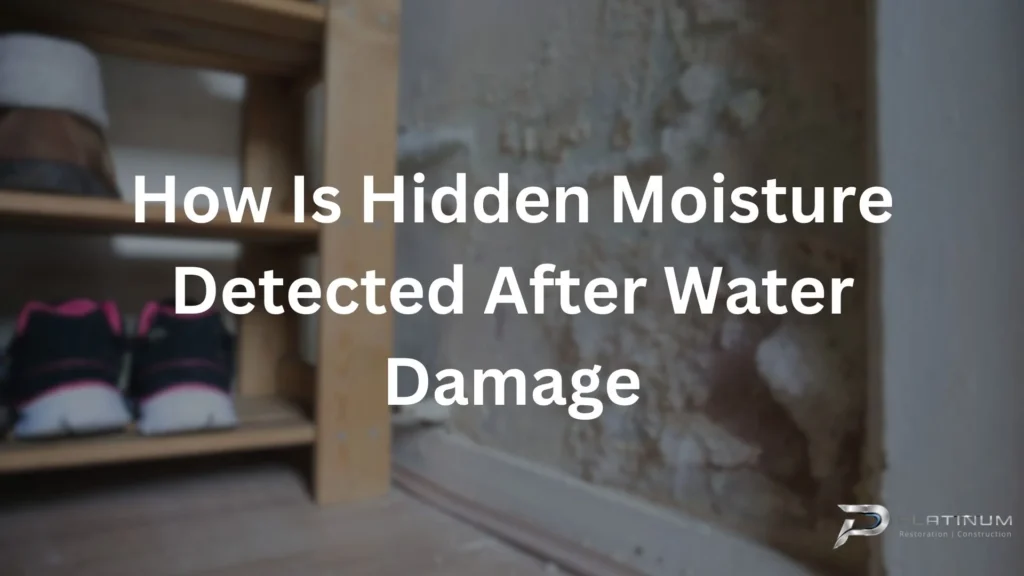
When water damage happens, the wet carpet and soaked drywall are easy to spot. The bigger risk is the moisture you can’t see: water that has soaked into wall cavities, subfloors, insulation, and framing. Left behind, it fuels mold growth and structural damage long after the home looks dry. At Platinum Service Group, our team holds IICRC certification in Applied Structural Drying and Water Damage Remediation, training built around finding and removing moisture that isn’t visible. Across Decatur, Bridgeport, Alvord, Boyd, and the rest of Wise County, locating hidden moisture is a core part of every restoration project we handle. Here’s how it’s done. Water Damage Restoration How Is Hidden Moisture Detected After Water Damage? Our North Texas water damage team can inspect, dry, and restore your home, and walk you through exactly what your situation needs. 📞 Call (888) 436-2706 Licensed & Insured · Free Estimates Why Hidden Moisture Is A Problem Water doesn’t stay where it first lands. It wicks upward through drywall, spreads under flooring, and settles into insulation and framing. A surface can feel completely dry while the material behind it stays saturated. Unchecked hidden moisture can cause: The mold risk in particular is worth taking seriously, and our guide on whether mold from water damage is dangerous explains what that exposure can mean for your household. Why Touch And Sight Aren’t Enough “Dry to the touch” is one of the most common and costly assumptions after water damage. Materials like drywall, wood, and subflooring can hold moisture deep inside long after the surface feels fine. This is why professionals rely on tools instead of guesswork. Method What It Can Tell You Limitation Touch Surface dampness only Misses moisture inside materials Sight Stains, warping, discoloration Misses hidden wet areas Smell Possible hidden moisture or mold Can’t show location or extent Professional tools Actual moisture levels, even behind surfaces Requires training to interpret The Tools Professionals Use Moisture Meters Moisture meters are the foundation of detection. They measure the moisture content inside materials like drywall, wood, and flooring, and they come in two main types: Readings are compared against dry reference points in unaffected areas of the same home, which shows exactly how far the water has spread. Thermal Imaging Cameras Thermal cameras detect temperature differences across a surface. Wet materials often show a different temperature than dry ones, so damp areas can appear as distinct patterns on screen. This allows technicians to scan ceilings, walls, and floors quickly and flag suspicious areas for closer checking. Thermal imaging doesn’t measure moisture directly. It points to where moisture is likely, and a moisture meter then confirms it. Hygrometers Hygrometers measure humidity and temperature in the air. During drying, they help track whether the surrounding environment is actually pulling moisture out of materials or whether humidity remains too high for drying to progress. This data guides how much equipment is needed and when drying is truly complete. Borescopes For moisture suspected inside wall cavities or other enclosed spaces, a borescope, a small camera on a flexible cable, can be inserted through a small opening. This allows technicians to inspect the inside of a wall without major demolition. How Our Detection Process Works A thorough moisture assessment follows a clear sequence: This layered approach matters because no single tool tells the whole story. Combining them gives a far more accurate picture than relying on any one method. Think there’s hidden moisture in your home?Get a free, no-obligation water damage estimate from our team. 📞 Call Now Where Hidden Moisture Likes To Hide Location Why Moisture Hides Here Inside wall cavities Water wicks upward behind drywall Under flooring Subfloors trap water beneath finished surfaces Beneath cabinets Enclosed spaces dry slowly Behind baseboards Water seeps along wall edges In insulation Absorbs and holds moisture for long periods Above ceilings Leaks travel before showing as stains Around plumbing and appliances Slow leaks stay hidden for weeks Signs You May Have Hidden Moisture Even without tools, certain signs suggest water is still present somewhere: If you notice any of these, it’s worth having moisture levels checked rather than assuming the problem is gone. Our breakdown of structural warning signs of wall water damage covers what to look for in more detail. How Drying Is Verified Finding moisture is only half the job. Confirming it’s gone matters just as much. During structural drying, technicians take repeated readings over several days, comparing them against dry standards. Drying is considered complete only when affected materials return to normal moisture levels, not when they simply feel dry. This verification step is what separates a lasting repair from one that traps moisture behind new drywall and flooring, setting up mold and repeat damage later. If you’re wondering how long that process typically runs, see our guide on how long water damage restoration takes. What Makes Detection Different In North Texas Wise County’s humid climate makes hidden moisture harder to dry out and easier to miss. High outdoor humidity slows natural evaporation, so materials that might dry on their own in a drier region often stay damp here. After storms in Decatur, Bridgeport, Alvord, and Boyd, water can enter through roofs, windows, and siding without obvious signs, then linger inside walls and attics while humidity keeps conditions favorable for mold. Professional detection and mechanical drying matter more in this climate because waiting for things to dry naturally is often unreliable. When To Call A Professional Consider a professional moisture assessment if: If you’re comparing providers, our guide on how to choose a water damage restoration company explains what to look for, and our list of essential steps after water damage covers what to do while you wait. Frequently Asked Questions Free, No-Obligation Estimate Ready to Fix Your Water Damage? Talk to our water damage restoration team today, or request a free estimate and we’ll get back to you quickly. 📞 Call (888) 436-2706 Get a Free Estimate Licensed & Insured · Serving North Texas Final Thoughts The most dangerous
Can a Restoration Company Restore Your Belongings?

After water, fire, or storm damage, the structure of your home gets most of the attention. But for many families, the real worry is what’s inside: the furniture, clothing, keepsakes, and everyday items that make a house feel like home. The good news is that a restoration company can often save far more than most people expect, though not everything. At Platinum Service Group, our team holds IICRC certification in Master Fire, Water and Textile Restoration, along with Upholstery and Fabric Cleaning. That training covers how to assess, clean, and restore belongings after damage. Across Decatur, Bridgeport, Alvord, Boyd, and the rest of Wise County, our restoration services help homeowners sort what can be saved from what can’t. Water Damage Restoration Can a Restoration Company Restore Your Belongings? Our North Texas water damage team can inspect, dry, and restore your home, and walk you through exactly what your situation needs. 📞 Call (888) 436-2706 Licensed & Insured · Free Estimates What Restoration Companies Can Often Restore Professionals use specialized cleaning methods that go well beyond what’s possible at home. Items that commonly respond well include: What Is Hard Or Impossible To Save Some items simply can’t be restored safely or cost-effectively: Salvageability At A Glance Item Type Typical Outlook Key Factor Solid wood furniture Often restorable Speed of drying Upholstered furniture Sometimes restorable Water type and time elapsed Clothing and linens Often restorable Fiber type and contamination level Area rugs Often restorable Dye stability and saturation Particleboard furniture Rarely restorable Swelling and structural loss Mattresses Rarely restorable Hidden internal moisture Documents and photos Sometimes restorable Quick freezing or drying Electronics Case by case Exposure type and corrosion How Restoration Companies Clean Belongings The process is more involved than a standard wash or wipe down. Depending on the item, professionals may use: Why Speed Matters For Belongings Time is one of the biggest factors in whether an item can be saved. Mold can begin growing within 24 to 48 hours on damp materials, and smoke residue can set into fabrics and surfaces the longer it sits. Quick action keeps more items in the restorable category. Our guide on what to do after water damage walks through the first steps that protect both your home and your belongings. Time Since Damage General Outlook First 24 hours Best chance to save most items 24 to 48 hours Still good for many items, mold risk rising 48 to 72 hours Soft and porous items increasingly at risk Beyond 72 hours Many items become difficult or impossible to restore Worried about your water-damaged belongings?Get a free, no-obligation water damage estimate from our team. 📞 Call Now Water, Fire, And Storm Damage Each Affect Belongings Differently Water damage mostly threatens items through moisture, warping, and mold. Clean water gives belongings the best chance, while contaminated water limits what can be safely restored. Fire and smoke damage leave soot, odor, and residue that can penetrate fabrics and soft goods even when items never touched flames. Textile restoration is especially important here, since smoke odor often lingers in clothing, drapes, and upholstery long after the fire is out. If you’re sorting through items after a fire, our breakdown of what to throw away after smoke damage can help, and the fire damage restoration process explains how cleanup and recovery work from start to finish. Storm damage often combines water intrusion with debris, dust, and humidity. Items near broken windows or roof leaks may face moisture and contamination together. What Makes North Texas Different Wise County’s humid climate works against belongings after any water event. Even items that aren’t directly soaked can absorb moisture from the air when indoor humidity stays high, which slows natural drying and raises the risk of mold on fabrics, furniture, and stored items. After storm season in Decatur, Bridgeport, Alvord, and Boyd, homeowners often discover that belongings in closets, garages, and storage areas picked up moisture they didn’t notice at first. Professional drying and cleaning help compensate for conditions that make home drying efforts less reliable here. A Case Study: Saving More Than The Homeowner Expected A homeowner in the area dealt with a storm that damaged part of their roof, allowing rain to soak through a bedroom ceiling. By the time they called us, a mattress, a wardrobe full of clothes, several upholstered chairs, and a box of family photographs had all been exposed to moisture. During assessment, our team sorted the belongings into categories. The mattress was beyond saving, since moisture had reached its interior. The solid wood wardrobe dried and cleaned up well. Most of the clothing and linens were professionally cleaned and returned smelling fresh, with no sign of mildew. The upholstered chairs were treated with specialized upholstery cleaning and dried quickly, and the family photographs were carefully dried and cleaned before mold could take hold. The homeowner had assumed nearly everything in that room was a total loss. In the end, only a handful of items needed replacement. The takeaway is that a professional assessment often changes the picture, and early action made the difference between replacing a room full of belongings and replacing one mattress. When Replacement Makes More Sense Restoration isn’t always the right answer. Replacement may be the better choice when: An honest restoration team will tell you when an item isn’t worth restoring rather than recommending work that won’t hold up. Steps To Take Right Away To Protect Your Belongings Thorough photos and notes also make claims smoother, which is covered in our guide to restoration documentation tips. Frequently Asked Questions Free, No-Obligation Estimate Ready to Fix Your Water Damage? Talk to our water damage restoration team today, or request a free estimate and we’ll get back to you quickly. 📞 Call (888) 436-2706 Get a Free Estimate Licensed & Insured · Serving North Texas Final Thoughts A restoration company can restore a surprising amount of what you own, from furniture and clothing to rugs, documents, and keepsakes, especially when action is quick. Not
When Does Wet Furniture Become Beyond Repair?

When water damage happens, furniture is often an afterthought compared to flooring, drywall, and the bigger structural concerns. But furniture has its own clock running, and once it passes a certain point, no amount of drying or cleaning brings it back. So how long do you actually have? At Platinum Service Group, our technicians hold IICRC certification in Water Damage Remediation and Applied Structural Drying, which includes training on material salvageability and the timelines that determine whether an item can realistically be saved. Across Decatur, Bridgeport, Alvord, Boyd, and the rest of Wise County, furniture assessment is part of nearly every water damage call we handle. Here’s a realistic look at the timeline. Water Damage Restoration When Does Wet Furniture Become Beyond Repair? Our North Texas water damage team can inspect, dry, and restore your home, and walk you through exactly what your situation needs. 📞 Call (888) 436-2706 Licensed & Insured · Free Estimates Why Furniture Has Such A Tight Timeline Furniture is uniquely vulnerable to water damage compared to many other household materials for a few specific reasons: The General Timeline For Wet Furniture Within The First 6 To 12 Hours This is the critical window for the best possible outcome. If furniture is moved away from standing water, elevated off wet flooring, and exposed to active air movement right away, the chances of full recovery are highest. Quick action here can mean the difference between a minor cleaning job and a total loss. 12 To 24 Hours Furniture left in contact with water or in a humid, poorly ventilated space during this window starts absorbing significantly more moisture. Recovery is still often possible, but it typically requires more intensive drying, sometimes involving professional-grade dehumidification rather than just air movement and time. 24 To 48 Hours This is widely considered the critical threshold. Mold spores, already present almost everywhere, can begin establishing active growth within this window if moisture levels remain high. Furniture that’s still wet at this point has a meaningfully lower chance of being fully salvageable, particularly pieces with internal cushioning or pressed wood components. 48 To 72 Hours By this point, many pieces of furniture that remain wet are likely to have active mold development, especially in upholstered items and anything with internal padding. Structural wood components may also show early signs of warping or swelling becoming permanent rather than something that resolves with drying. Beyond 72 Hours Furniture that has remained wet past this point is frequently beyond practical repair. Mold growth is likely well established, structural materials have often taken on permanent damage, and the cost of attempting restoration frequently exceeds the value of simply replacing the item. Quick Reference: Timeline And Realistic Outcome Time Elapsed Likely Outcome If Still Wet 0 to 12 hours High chance of full recovery with prompt action 12 to 24 hours Good chance of recovery, more intensive drying needed 24 to 48 hours Reduced chance, mold risk increasing significantly 48 to 72 hours Low chance for many materials, mold often established 72+ hours Frequently beyond practical repair What Actually Determines Salvageability Beyond Just Time While timing is the biggest factor, a few other variables influence whether a piece can realistically be saved: Salvageability by Furniture Type and Material Different materials hold up very differently under the same amount of water exposure, so it’s worth understanding how your specific pieces are likely to respond. Furniture Material Typical Salvage Window Key Vulnerability Solid wood (frames, tables) Often recoverable up to 48 hours Warping if dried unevenly or too quickly Upholstered cushions/padding Best chance within 24 hours Mold establishes deep inside padding quickly Particleboard/pressed wood Narrowest window, often under 24 hours Swells and loses structural integrity, rarely reversible Leather Recoverable within 24 to 36 hours if dried carefully Stiffening, cracking, mold in stitched seams Metal frames Generally low risk Surface rust if not dried and treated promptly Mattresses Very narrow window, often under 24 hours Dense, absorbent interior nearly impossible to fully dry This variation is part of why a single flooded room can produce very different outcomes for different pieces, a solid wood dresser might dry out fine after 36 hours, while an upholstered ottoman sitting right next to it is already beyond saving. What To Do Immediately If Furniture Gets Wet Got wet furniture right now?Get a free, no-obligation water damage estimate from our team. 📞 Call Now Signs Furniture Has Passed The Point Of No Return If you’re seeing several of these signs, continuing to dry the item is unlikely to reverse the damage, and at that point, the cost of attempting restoration often isn’t worth it compared to replacement. Weighing Repair Cost Against Replacement Value Even for furniture that’s technically within a recoverable window, it’s worth pausing to consider whether professional drying and restoration actually makes financial sense compared to replacement. A few questions worth asking before committing to restoration: For everyday furniture with low sentimental value and significant water exposure, replacement is often both cheaper and more reliable than restoration. For higher-value, custom, or sentimental pieces, professional restoration, even when it costs more than a quick replacement, can be worth pursuing specifically because those items can’t simply be repurchased. Why This Matters More In Wise County North Texas humidity plays a real role in how this timeline plays out locally. Even furniture moved promptly away from a water source can struggle to dry fully if it’s sitting in an already humid room, since the surrounding air doesn’t have the drying capacity needed to pull moisture out efficiently. This is especially relevant following storm-related flooding, when both the furniture and the surrounding air are often saturated with moisture at the same time, making mechanical dehumidification considerably more important here than it might be in a drier climate. Homes in Decatur, Bridgeport, Alvord, and Boyd dealing with storm-related water intrusion often need professional drying equipment just to give furniture a realistic chance within that critical 24 to 48 hour window. A Case Study: The Sofa That
When Does Water Damage Start Affecting a Foundation?
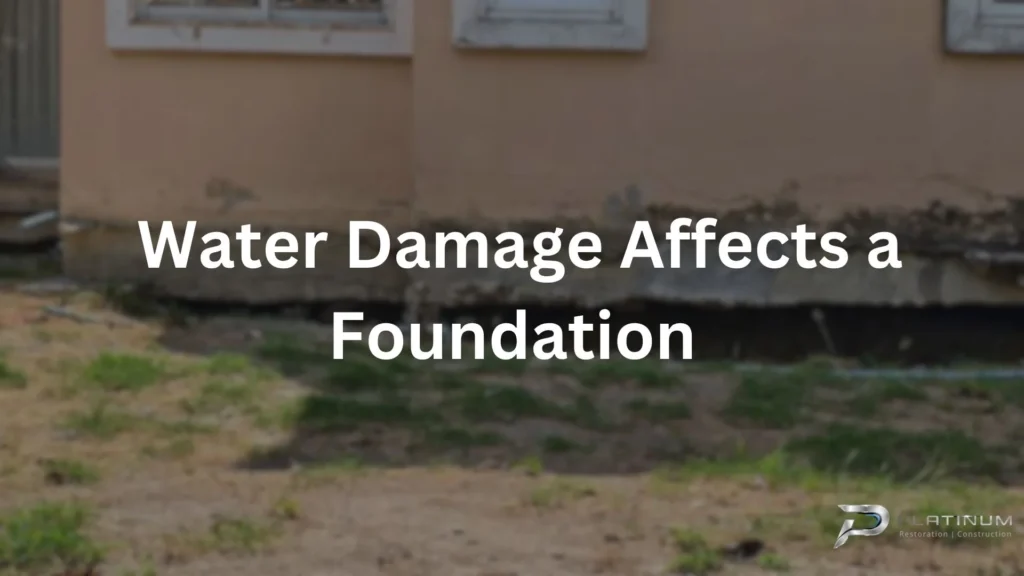
Water damage inside a home gets attention fast, a stained ceiling or a flooded floor is hard to ignore. But water around or under your foundation is a quieter, slower-moving concern, and one that’s easy to underestimate because the damage isn’t always immediately visible. So how long does it actually take before water starts affecting your foundation, and what determines that timeline? At Platinum Service Group, our technicians hold IICRC certification in Water Damage Remediation and Applied Structural Drying, training that includes understanding how moisture moves through and around a structure, including foundation-level concerns. Here’s a realistic look at the timeline and the factors that speed it up or slow it down. Water Damage Restoration When Does Water Damage Start Affecting a Foundation? Our North Texas water damage team can inspect, dry, and restore your home, and walk you through exactly what your situation needs. 📞 Call (888) 436-2706 Licensed & Insured · Free Estimates Why There’s No One-Size-Fits-All Timeline Several variables significantly affect how quickly water impacts a foundation: A General Timeline Of Water’s Effect On A Foundation Within Hours To Days Standing water against a foundation begins saturating the surrounding soil almost immediately. For slab foundations, this can mean moisture starting to work its way through hairline cracks or porous areas of concrete within a day or two of sustained exposure, though visible interior signs usually take longer to appear. Within One To Two Weeks If water exposure continues, consistent flooding, a persistent drainage issue, or an ongoing plumbing leak near the foundation, soil saturation levels can start causing measurable shifts, particularly in expansive clay soils. This is also around when early signs like small new cracks in interior walls or doors that start sticking may begin to show up, especially if the exposure is significant. Within One To Three Months Sustained or repeated water exposure over this timeframe can lead to noticeable foundation movement in vulnerable soil conditions. This is often when homeowners start to notice more obvious signs: visible cracks in the foundation itself, gaps forming around windows or doors, or uneven flooring in certain rooms. Six Months And Beyond Chronic, unaddressed water exposure, like an ongoing drainage problem or a slow plumbing leak near the foundation that’s never been fixed, can lead to significant structural concerns over this longer timeframe. This includes substantial foundation settling, major cracking, and in severe cases, issues serious enough to require foundation repair or underpinning. Quick Reference: Timeline By Exposure Type Water Exposure Type Typical Foundation Risk Timeline One-time heavy rain with good drainage Low risk, minimal long-term effect Repeated poor drainage after storms Weeks to months for noticeable effects Ongoing slow plumbing leak near foundation One to three months for measurable movement Chronic drainage issue, years unaddressed Significant structural concerns over time Flooding with standing water for days Days to weeks for soil saturation effects Why Soil Type Matters So Much Expansive clay soil, common throughout much of North Texas, behaves very differently from sandy or well-draining soil. When clay soil absorbs water, it swells significantly, and when it dries out, it shrinks just as dramatically. This swell-shrink cycle puts repeated stress on a foundation, meaning homes on expansive clay soil can experience foundation movement from water exposure considerably faster than homes on more stable soil types. This is also why foundation issues in clay soil regions aren’t always tied to a single dramatic event. Sometimes it’s the repeated cycle of wet and dry conditions over multiple seasons that gradually causes more damage than any single flooding event would on its own. Foundation Types and How Each Responds to Water Differently Since foundation type significantly affects both the timeline and the type of damage that shows up, it’s worth understanding how the three most common foundation types in this region behave under water exposure. Foundation Type How It Responds to Water Typical Warning Signs Slab-on-grade Moisture can migrate through hairline cracks or porous concrete; most vulnerable to soil movement beneath it Interior floor cracks, doors sticking, tile cracking Pier and beam Elevated structure reduces direct water contact, but crawl space moisture affects wood framing and support piers Sagging floors, musty crawl space smell, wood rot on piers Basement Direct exposure to groundwater and hydrostatic pressure against walls Wall cracking, efflorescence (white mineral deposits), water seepage at wall-floor joints Slab foundations, the most common type in much of North Texas, are particularly sensitive to the soil movement caused by expansive clay, since the entire structure rests directly on that soil rather than being elevated above it the way a pier and beam foundation is. Early Warning Signs Water Is Affecting Your Foundation If you notice several of these signs together, particularly after a period of heavy rain or a known drainage issue, it’s worth having the foundation assessed rather than waiting to see if it worsens. Seeing water near your foundation?Get a free, no-obligation water damage estimate from our team. 📞 Call Now How Foundation Water Damage Differs From Interior Water Damage It’s worth drawing a clear line between the kind of water damage most homeowners think of, a leaking pipe staining a ceiling, a flooded living room, and the slower, less visible process happening at the foundation level. Interior water damage tends to announce itself quickly: a stain, a smell, a soaked carpet. Foundation-level water exposure, by contrast, often works silently through soil and concrete for weeks or months before any interior sign appears at all. This difference matters because the response timeline is completely different too. Interior water damage calls for the kind of immediate mitigation response measured in hours. Foundation-level moisture concerns call for an entirely different kind of attention: consistent monitoring, drainage correction, and periodic assessment over a much longer timeframe, since there’s rarely a single dramatic moment that signals the problem has started. Why North Texas Conditions Make This Timeline Faster Wise County sits in a region with significant clay soil content, the same expansive clay soil that reacts dramatically to moisture changes. Combined
How Long Does a Bathroom Remodel Take?

From demolition to finishing touches, discover how long each phase of a bathroom remodel typically takes.
How Fire Restoration Works: Cleanup and Recovery Explained
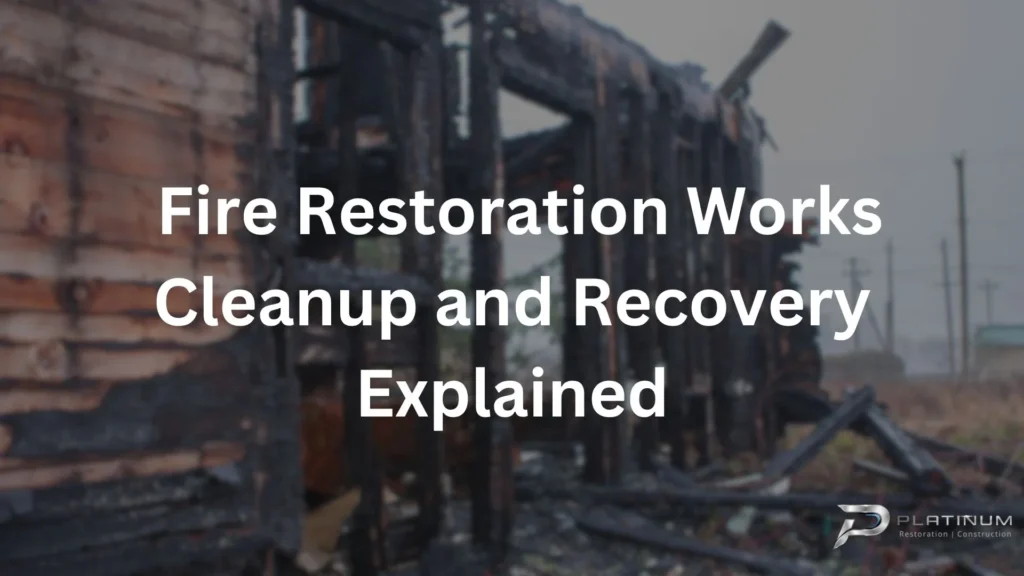
A house fire is just the beginning. Here’s how professional fire restoration addresses smoke, soot, and water damage.