
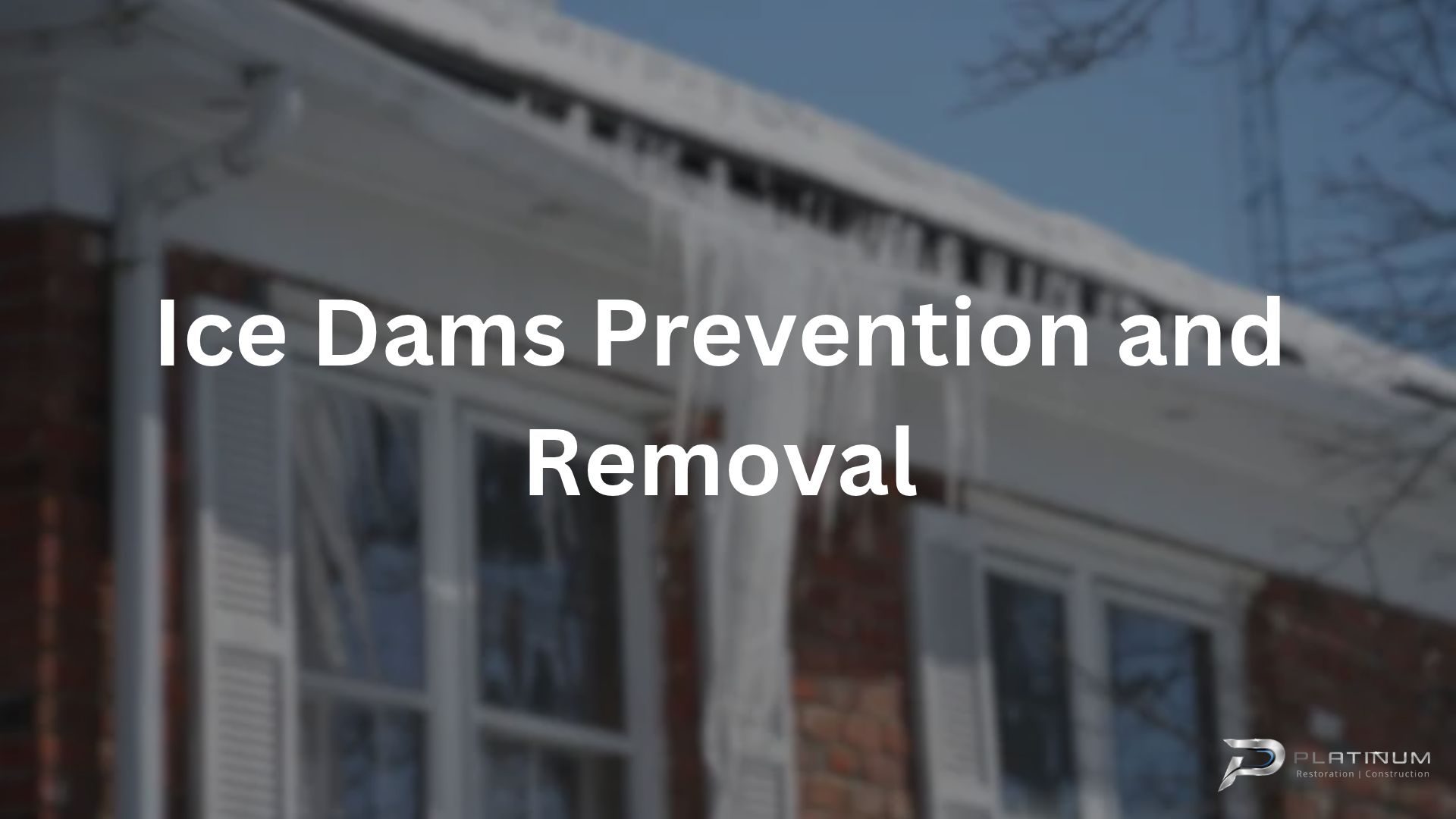
An ice dam forms when heat escaping from your attic melts snow on the upper portions of your roof, which then refreezes at the colder roof edge, creating a ridge of ice that blocks proper drainage. Water backing up behind this ridge can work its way under shingles and into your home, making ice dams a genuine water damage risk rather than just a cosmetic winter nuisance.
How Ice Dams Actually Form
Understanding the mechanism behind ice dams explains why prevention focuses so heavily on attic insulation and ventilation rather than just dealing with the ice itself.
- Heat escaping from living spaces into the attic warms the underside of the roof deck
- This warmth melts snow sitting on the upper, warmer portion of the roof
- Melted water flows down the roof slope until it reaches the colder eaves, which aren’t warmed by attic heat loss the same way
- At this colder edge, the water refreezes, gradually building an ice ridge that blocks further drainage
- Subsequent melting snow has nowhere to go but pool behind the dam, increasing pressure that can force water backward under shingles
Why Attic Temperature Is the Real Issue
The core prevention principle for ice dams is keeping your entire roof surface at a consistent, cold temperature that matches outdoor conditions, rather than having warm spots created by heat loss from below. A roof that’s uniformly cold doesn’t create the melt-refreeze cycle that produces ice dams in the first place, which is why addressing attic insulation and air sealing matters more for prevention than any treatment applied to the roof surface itself.
Prevention: Attic Insulation and Air Sealing
Proper insulation reduces how much heat escapes from your living space into the attic.
- Confirm attic insulation meets recommended levels for your climate zone, since insufficient insulation is one of the most common contributors to ice dam formation
- Check for air leaks where warm air can bypass insulation entirely, including around recessed lighting, attic hatches, and places where ductwork or plumbing penetrates the attic floor
- Seal any identified gaps with appropriate sealant or weatherstripping, since even small leaks can create localized warm spots that contribute to uneven roof temperature
Prevention: Attic Ventilation
Proper ventilation works alongside insulation to keep the attic, and by extension the roof surface above it, consistently cold.
- Confirm your attic has both intake vents, typically at the eaves, and exhaust vents, often at the roof ridge, working together
- Check that insulation isn’t blocking soffit vents, which restricts the intake airflow ventilation depends on
- Adequate ventilation continuously moves cold outdoor air through the attic space, carrying away any heat that does escape from below before it can significantly warm the roof deck
Prevention: Gutter and Roof Maintenance
While insulation and ventilation address the root cause, a few additional steps support overall prevention.
- Keep gutters clear of debris before winter arrives, since clogged gutters can contribute to ice buildup at the roof edge independent of the attic heat issue
- Consider a roof rake for removing excess snow accumulation from lower roof sections after heavy snowfall, which reduces the volume of snow available to melt and refreeze
- For homes with a documented history of ice dam problems, heat cables installed along the roof edge can provide additional targeted prevention, though this addresses a symptom rather than the underlying attic temperature issue
| Prevention Area | What to Check | Why It Matters |
|---|---|---|
| Insulation | Levels meet climate recommendations | Reduces heat loss into attic |
| Air sealing | Gaps around fixtures, hatches, penetrations | Prevents localized warm spots |
| Ventilation | Balanced intake and exhaust vents | Keeps roof deck uniformly cold |
| Gutters | Clear of debris before winter | Supports proper drainage |
What to Do If an Ice Dam Has Already Formed
If you notice an ice dam has developed, a cautious approach matters given both the roof access safety risk and the potential to cause damage with improper removal attempts.
- Removing excess snow from the roof with a roof rake, used from the ground, can reduce the snow available to feed the ice dam without requiring roof access
- Avoid chipping or breaking ice directly, since this risks damaging shingles and roofing material beneath the ice
- Calcium chloride ice melt products, applied carefully in a sock or similar container laid across the dam, can help create channels for water to drain without the aggressive mechanical removal that chipping involves
- Avoid rock salt, which can damage roofing materials and surrounding vegetation more than calcium chloride-based products designed for this purpose
When to Call a Professional Instead of Attempting Removal Yourself
Several situations make professional help the safer and more appropriate choice rather than DIY ice dam removal.
- Any situation requiring you to get on the roof itself, given the genuine fall risk combined with icy, slippery conditions
- Significant or recurring ice dam formation, which often indicates an underlying insulation or ventilation issue that needs professional assessment rather than repeated manual removal each winter
- Any sign that water has already entered your home, such as staining on an interior ceiling or wall, which shifts the priority from ice dam removal to water damage assessment
- Uncertainty about how to safely use ice melt products or roof rakes without risking damage to your roofing material
Professional ice dam removal services use specialized equipment, including low-pressure steam systems, that can safely remove ice without the damage risk associated with mechanical chipping or the limitations of ground-level snow removal alone.
Why Addressing the Underlying Cause Matters More Than Repeated Removal
If your home experiences ice dams regularly despite removal efforts each time they form, this is a strong signal that the underlying attic insulation or ventilation issue hasn’t been addressed. Treating the ice itself each winter, rather than the heat loss causing it, means you’re likely to face the same problem repeatedly, along with the ongoing water damage risk that comes with it, until the actual cause is corrected.
Why Ice Dams Are a Water Damage Concern, Not Just a Winter Nuisance
The real risk with ice dams isn’t the ice itself, it’s the water that backs up behind it and finds its way under shingles into your attic and, potentially, your living space below. This water intrusion can cause damage to insulation, drywall, and ceiling materials, sometimes without being immediately obvious until staining appears well after the ice dam has melted.
Platinum Service Group is a family-owned business with more than 20 years of experience serving Dallas-Fort Worth and the surrounding North Texas area. Our team holds IICRC, ACAC, and NADCA certifications and is available 24/7 if an ice dam has already caused water intrusion into your home, handling both the water damage assessment and restoration. Our preventing ice dams winter roof protection guide covers additional roof protection strategies, and our roof leak warning signs guide can help you recognize water intrusion signs if you suspect an ice dam has already caused a leak. You can contact us 24/7 for water damage response.
Frequently Asked Questions
How do I know if my attic insulation is contributing to ice dam formation?
Uneven snow melting on your roof, with bare patches higher up and ice buildup at the edges, is a visual indicator that heat loss from your attic is creating the warm-cold temperature differential that causes ice dams.
Is it safe to use a snow blower or shovel to clear ice dams from the roof edge?
This isn’t recommended given the fall risk and potential for roofing damage. A roof rake used from the ground is the safer tool for reducing snow accumulation without requiring roof access.
Can ice dams form even with a well-insulated attic?
Less commonly, but it’s possible, particularly during unusually prolonged or severe winter weather, which is why ventilation working alongside insulation provides more comprehensive protection than insulation alone.
How urgent is it to address an ice dam once I notice one forming?
Address it reasonably promptly, since the longer water sits behind the dam, the more opportunity it has to work under shingles and into your home, though a measured, safe approach is more important than rushing into risky removal methods.
Should I call a professional even for a small ice dam?
For minor ice dams without any sign of interior water intrusion, careful ground-level snow removal and ice melt products are often sufficient. Recurring or significant ice dams, or any sign of water damage, warrant professional attention.
Ice dams are ultimately a symptom of heat escaping where it shouldn’t, which is why genuine prevention focuses on attic insulation and ventilation rather than repeated ice removal each winter. When an ice dam does form, a cautious, ground-based approach combined with professional help for anything beyond minor accumulation keeps both you and your roof safe through the winter season.