
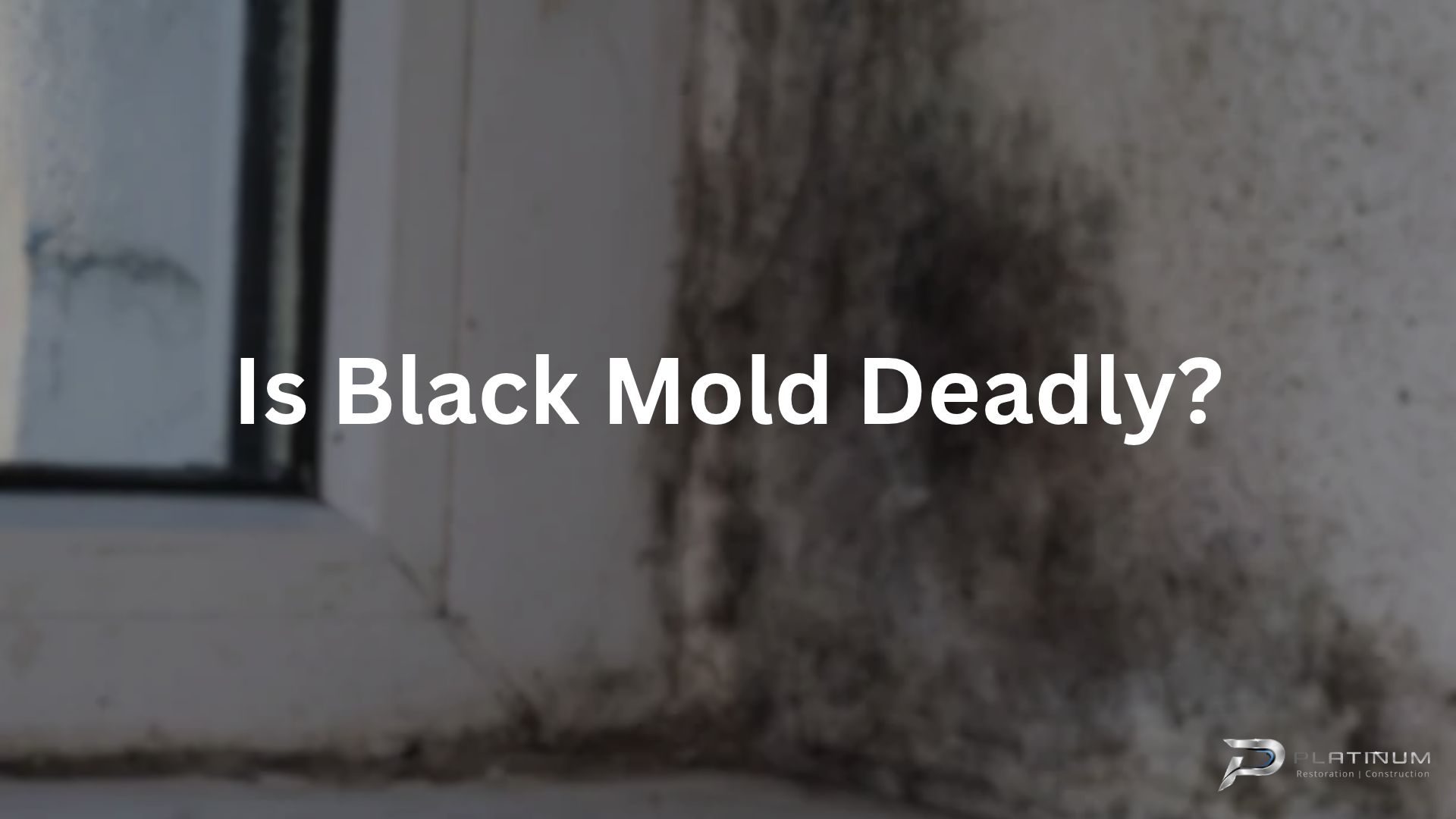
Few household issues carry as much fear-driven mythology as black mold. Headlines and online forums often paint it as a silent killer lurking in walls, while other sources dismiss it as nothing more than a cosmetic nuisance. Neither extreme reflects what’s actually established, and getting a clearer, more accurate picture helps you respond appropriately rather than either panicking or ignoring a genuine problem.
What’s Actually Established About Black Mold Risks
Black mold, commonly referring to Stachybotrys chartarum, is a real organism that develops under specific moisture conditions, and its presence does warrant genuine concern and professional attention. What’s well documented is that mold exposure can cause respiratory irritation, allergic-type reactions, and other symptoms in sensitive individuals, with people who have asthma, allergies, or compromised immune systems generally considered more susceptible to noticeable effects. Infants, young children, older adults, and those with chronic respiratory conditions are often mentioned as groups warranting extra caution around any mold exposure.
What’s less settled, and the subject of ongoing debate within the medical and scientific community, is the extent to which specific severe health outcomes can be directly and reliably attributed to household mold exposure in typical residential conditions. This is genuinely an area of scientific debate rather than settled consensus, and claims in either direction, that it’s harmless or that it’s a proven life-threatening hazard in typical home exposure, go beyond what’s reliably established.
Myth vs. Fact: Common Black Mold Claims
Myth: All black-colored mold is the dangerous “toxic black mold.”
Fact: Many mold species appear dark or black without being Stachybotrys specifically. Visual color alone isn’t a reliable way to identify mold type, and lab testing is the only way to confirm what species is actually present.
Myth: Mold exposure affects everyone the same way.
Fact: Individual sensitivity varies considerably. Some people show no noticeable reaction even in a visibly moldy environment, while others experience symptoms ranging from mild to more significant, depending on factors including existing health conditions, extent of exposure, and individual sensitivity.
Myth: If you can’t see or smell mold, you’re safe.
Fact: Mold can develop in hidden spaces, behind walls, under flooring, within HVAC systems, without being immediately visible or producing a detectable smell in every case, which is part of why professional moisture mapping and testing exist as detection tools beyond basic observation.
Myth: A small amount of mold is nothing to worry about.
Fact: Given the genuine uncertainty around dose-response relationships and individual variability in sensitivity, taking a cautious approach to any confirmed mold presence, regardless of apparent size, is the more prudent course, particularly in households with children, elderly residents, or anyone with existing respiratory conditions.
Myth: Once mold is cleaned, the risk is completely gone.
Fact: If the underlying moisture source wasn’t addressed, mold is likely to return, and residual spores from inadequate cleaning can remain a factor even after visible growth is removed, which is why professional remediation includes confirming resolution through testing rather than relying on visual assessment alone.
| Myth | What’s Actually the Case |
|---|---|
| All black mold is “toxic black mold” | Many species appear dark; lab testing confirms species |
| Everyone reacts the same way | Individual sensitivity varies significantly |
| No visible mold means no risk | Mold can develop hidden, requiring professional detection |
| Small amounts aren’t a concern | Caution is warranted regardless of apparent extent |
| Cleaning alone resolves the risk | Moisture source and confirmed testing matter too |
Why Taking a Cautious Approach Makes Sense
Given that scientific understanding of mold’s health effects continues to be an area of active research and that individual responses vary so significantly, the most reasonable approach is treating any confirmed mold presence as something worth addressing properly, through professional assessment and remediation, rather than either panicking disproportionately or dismissing it because the most extreme claims aren’t fully established. This cautious middle ground respects both the genuine uncertainty in the broader scientific picture and the real, well-documented respiratory and allergic effects that mold exposure can cause in sensitive individuals.
What This Means for Your Household
If you have household members with asthma, allergies, compromised immune systems, or who are very young or elderly, these are reasonable factors to weigh more heavily when deciding how quickly to address a confirmed or suspected mold issue. For any household, a confirmed mold problem is worth professional assessment and remediation rather than assumption that it will resolve on its own or that it’s too minor to matter.
This article provides general information rather than medical guidance. If you or someone in your household is experiencing symptoms you suspect may be related to mold exposure, consulting a healthcare provider who can evaluate your specific situation and health history is the appropriate next step, alongside addressing the mold itself.
A Real Example of a Cautious, Appropriate Response
A family in Denton discovered a notable area of mold growth in a basement storage room after noticing a persistent musty smell throughout their lower level. Rather than panicking based on alarming information they’d found online, or dismissing it since no one in the household had reported obvious symptoms, they contacted our team for a professional assessment.
Our evaluation confirmed mold growth consistent with Stachybotrys, tied to a longstanding moisture issue from inadequate basement ventilation combined with a minor, previously unnoticed foundation seepage point. We proceeded with standard professional remediation, containment, removal of affected materials, treatment, confirmed drying, and post-remediation testing, while also correcting the ventilation and seepage issues that had allowed the mold to develop in the first place. The family’s measured response, neither alarmist nor dismissive, led to a straightforward resolution handled through our standard process rather than an emergency-driven, panic-based decision.
This case reflects what we’d consider the right posture toward black mold generally: taking a confirmed issue seriously enough to address it properly through professional channels, without needing to accept the most extreme claims to justify that seriousness.
Why Professional Assessment Is the Right Move Either Way
Whether or not the most dramatic claims about black mold’s dangers are accurate in a given situation, professional assessment and remediation address the practical reality: mold indicates an underlying moisture problem, it can affect sensitive individuals in documented ways, and its presence is worth resolving properly regardless of where you land on the more contested claims.
Platinum Service Group is a family-owned business with more than 20 years of experience serving Dallas-Fort Worth and the surrounding North Texas area. Our team holds IICRC, ACAC, and NADCA certifications, including mold remediation credentials, and approaches every job with the same thorough process regardless of mold type, because a confirmed problem deserves a proper response. Our step-by-step mold remediation process explains what that involves, and our guide on common mold causes can help you understand what might be contributing to a problem in your own home. You can contact us 24/7 for a professional assessment.
Frequently Asked Questions
Is it true that black mold has caused deaths?
This is a genuinely contested area within medical and scientific literature, with claims on this made in various media sources not reflecting established medical consensus. What is well documented is that mold exposure can cause respiratory and allergic symptoms, particularly in sensitive individuals, which is reason enough to address it properly.
Should I panic if I find black mold in my home?
A measured response, professional assessment and remediation, is more appropriate than panic. The Denton example reflects this balanced approach: taking it seriously without assuming the worst-case scenario.
Are children more at risk from black mold than adults?
Children, along with elderly individuals and those with existing respiratory conditions, are generally considered more susceptible to noticeable effects from mold exposure, making prompt attention to any mold issue especially worthwhile in households with these more vulnerable individuals.
Can I tell if mold is the dangerous type just by looking at it?
No, visual color alone isn’t reliable for species identification. Many mold species appear dark or black without being Stachybotrys specifically, and lab testing is needed for accurate identification.
What’s the right amount of concern to have about black mold?
Enough to address any confirmed presence through proper professional assessment and remediation, without needing to accept the most extreme, unverified claims to justify taking the issue seriously.
Black mold deserves genuine concern and proper professional attention, not because every dramatic claim about it is accurate, but because its presence signals a real moisture problem with documented health effects for sensitive individuals. A measured, informed response, neither dismissive nor panicked, is what actually protects your household.