
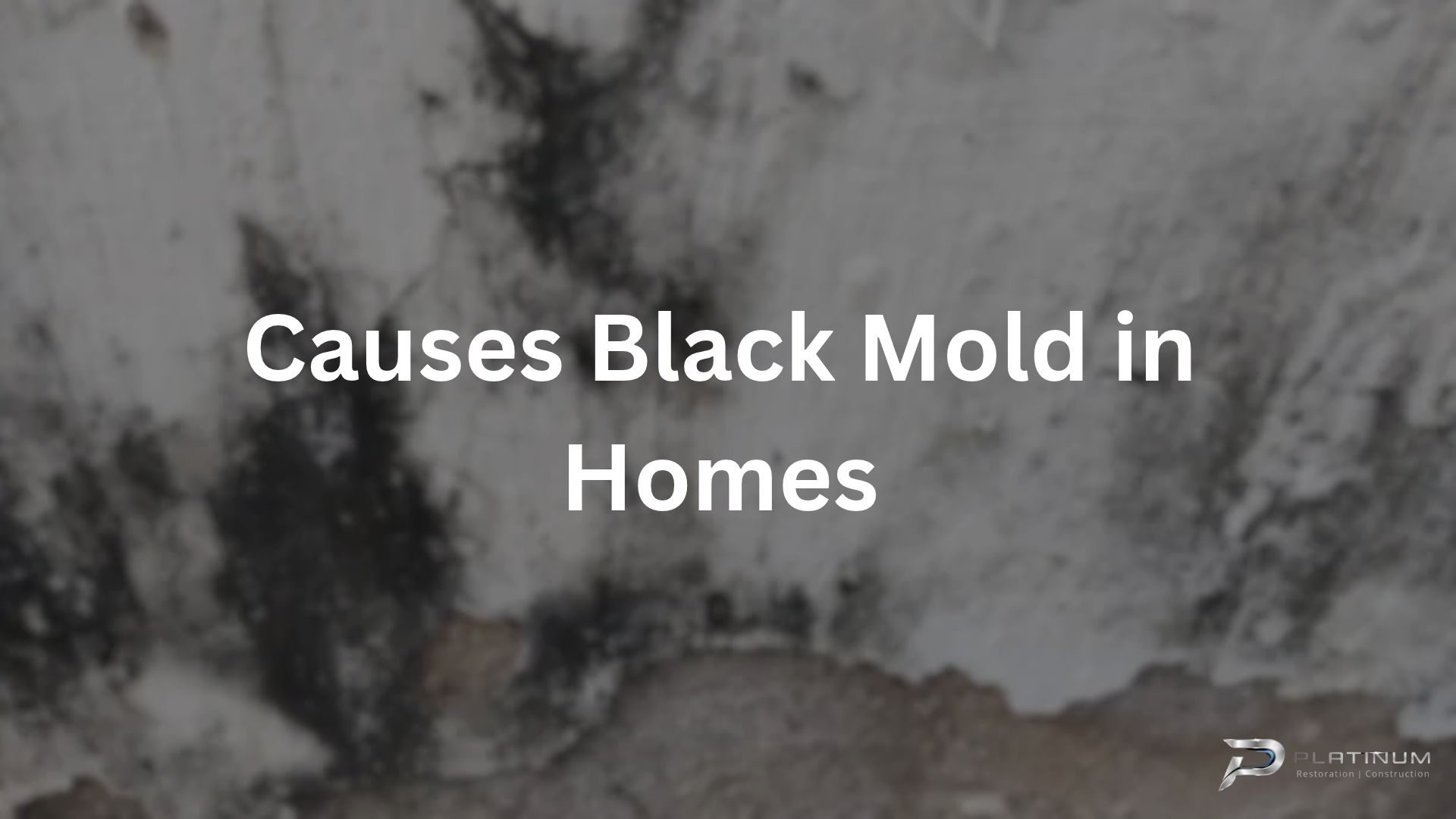
Black mold, most often referring to Stachybotrys chartarum, doesn’t develop under the same conditions as every mold species. While general household mold can establish itself fairly quickly under moderate dampness, black mold specifically requires more sustained, elevated moisture over a longer period. Understanding these more demanding conditions explains why finding black mold specifically, rather than a more common species, often signals a particular type of moisture problem.
Why Black Mold Has More Specific Requirements Than Other Household Mold
Stachybotrys is sometimes described as a “water-indicator” species because of how demanding its growth requirements are compared to faster-growing, more opportunistic molds like Cladosporium or Aspergillus. It needs consistently high moisture, generally sustained over an extended period, which is why its presence often points toward a chronic, ongoing moisture source rather than a brief, one-time dampness event.
- Requires sustained water activity, generally understood to need materials that stay consistently wet rather than just occasionally damp
- Grows preferentially on high-cellulose materials, including drywall paper, wood, and paper-backed insulation
- Takes longer to establish than faster-growing mold species, meaning its presence often indicates weeks to months of active moisture exposure
- Doesn’t typically develop from brief, isolated dampness that dries out relatively quickly, which is part of why it’s less common than general household mold
Specific Conditions That Lead to Black Mold
Chronic, undetected plumbing leaks are among the most common sources, since a slow leak behind a wall or under flooring can maintain the sustained moisture level Stachybotrys needs for an extended period without being discovered.
- Supply line leaks at fixtures that go unnoticed for months
- Leaking pipe joints within wall cavities, particularly in older homes with aging plumbing
- Appliance connection leaks, such as a slowly failing dishwasher or washing machine line, that persist long enough to saturate surrounding materials repeatedly
Chronic roof or structural leaks that allow water to repeatedly enter the same area over multiple rain events create the sustained moisture pattern black mold requires, as opposed to a single storm event that’s then fully dried.
- Roof leaks that recur with each significant rainfall rather than being fully repaired
- Flashing failures around chimneys, vents, or skylights that allow repeated water intrusion
- Gutter or drainage failures that consistently direct water toward the same vulnerable point on the structure
Flooding or significant water events that weren’t fully dried can leave materials at an elevated moisture level for an extended period, even after visible standing water is gone, particularly when drying was done without professional confirmation.
- Past flooding addressed with consumer fans rather than professional drying equipment and moisture confirmation
- Materials that felt dry to the touch but retained elevated internal moisture that went unaddressed
- Flood-affected areas where porous materials weren’t removed despite being saturated long enough to warrant it
Chronic condensation in enclosed spaces can, over a long enough period, create the sustained moisture conditions black mold needs, particularly in areas with minimal airflow to allow drying between condensation cycles.
- Persistent condensation on uninsulated pipes within an enclosed wall cavity or crawl space
- HVAC condensate line failures that allow continuous, undetected moisture accumulation within ductwork or surrounding materials
- Severely inadequate attic ventilation combined with consistent warm, moist air migration from living spaces below
Below-grade moisture in basements and crawl spaces that persists without adequate drainage or dehumidification can create the long-term elevated humidity environment that favors black mold development over time.
- Chronic groundwater seepage through foundation cracks
- Inadequate crawl space ventilation combined with high ambient ground moisture
- Absence of a vapor barrier in a crawl space, allowing continuous moisture migration from the soil
| Condition | Why It Favors Black Mold Specifically | Typical Timeline |
|---|---|---|
| Chronic plumbing leaks | Sustained moisture in cellulose materials | Months of undetected leaking |
| Chronic roof/structural leaks | Repeated saturation over multiple events | Weeks to months across storm cycles |
| Improperly dried flooding | Elevated internal moisture persists | Weeks post-event if not professionally confirmed dry |
| Chronic condensation | Continuous moisture without full drying cycles | Months of ongoing condensation |
| Below-grade moisture | Persistent high humidity environment | Months to years without correction |
Why Finding Black Mold Specifically Is a Meaningful Signal
Because Stachybotrys requires more demanding conditions than many other common mold species, its specific presence, confirmed through lab testing rather than visual color alone, often indicates that a moisture problem has been active for a considerably longer period than a more opportunistic, fast-growing species would suggest. This is part of why species identification matters in a remediation context: finding black mold in an area with a reportedly brief or recent water history is a mismatch worth investigating further, since it suggests the actual moisture timeline may be longer than initially understood.
Why These Causes Often Go Undetected for So Long
The common thread across these causes is that they all involve moisture sources that persist without anyone noticing, hidden plumbing, chronic roof leaks in less-visible areas, improperly confirmed drying, condensation within enclosed cavities, and below-grade moisture in spaces that aren’t regularly inspected. Unlike a dramatic, obvious flood, these are quiet, ongoing conditions that only become apparent once mold growth, often in its more established forms like black mold, finally produces a visible or detectable sign.
Addressing the Root Cause, Not Just the Mold
Given how specific and sustained the conditions are that lead to black mold, remediation that addresses only the visible growth without identifying and correcting the underlying chronic moisture source is particularly likely to see recurrence. Because these causes tend to be genuinely ongoing rather than resolved incidents, confirming the source has actually been fixed, not just that the visible mold has been removed, is an essential part of effective remediation.
Platinum Service Group is a family-owned business with more than 20 years of experience serving Dallas-Fort Worth and the surrounding North Texas area. Our team holds IICRC, ACAC, and NADCA certifications, including mold remediation credentials, and uses professional moisture mapping to identify these chronic, often hidden sources rather than treating black mold as an isolated surface issue. Our step-by-step mold remediation process explains how we address both the mold and its underlying cause, and our guide on general household mold causes covers the broader range of factors beyond black mold specifically. If you’re trying to understand what you’re looking at, our guide to different mold species explains how species identification reveals moisture history. You can contact us to schedule an assessment.
Frequently Asked Questions
Why does black mold take longer to develop than other household mold?
Stachybotrys requires more sustained, elevated moisture than faster-growing, more opportunistic species, which is why its development typically reflects weeks to months of consistent moisture exposure rather than a brief, isolated event.
Can black mold develop from a single, brief water event?
It’s less likely, since a brief event that’s properly dried doesn’t provide the sustained moisture conditions Stachybotrys generally needs. Black mold more commonly develops from chronic, ongoing, or improperly resolved moisture sources.
Does finding black mold always mean the problem has been there for a long time?
Generally, yes, given the species’ more demanding growth requirements, though exact timelines vary based on the specific conditions and materials involved.
How can I tell if my home has one of these chronic moisture conditions before mold develops?
Periodic checks of plumbing connections, attic and roof condition, and basement or crawl space humidity, along with confirming any past water damage was professionally dried, help catch these chronic sources before they progress to black mold specifically.
Is it worth testing to confirm whether mold is actually black mold versus another species?
If understanding the likely moisture timeline matters, for instance to investigate whether a chronic source might still be active, species identification through lab testing can provide useful context beyond what visual inspection alone offers.
Black mold’s more demanding growth requirements mean its presence usually points to a genuinely chronic moisture issue rather than a brief, isolated event. Understanding these specific conditions helps explain both why black mold develops where it does and why addressing the underlying, often hidden source is essential to resolving it for good.